




By Ethan Nahté
Each year, approximately 4,900 children in Arkansas (approximately 1% of the U.S. total) experience abuse or neglect. That’s just the cases that are actually reported. The number is probably much higher. 270 of those Arkansas cases fall into the counties of Polk, Sevier and Montgomery for 2021.
Children will be temporarily placed in foster care until the courts determine their outcome, whether it is safe for them to return home, be taken in by another relative, or be placed for adoption.
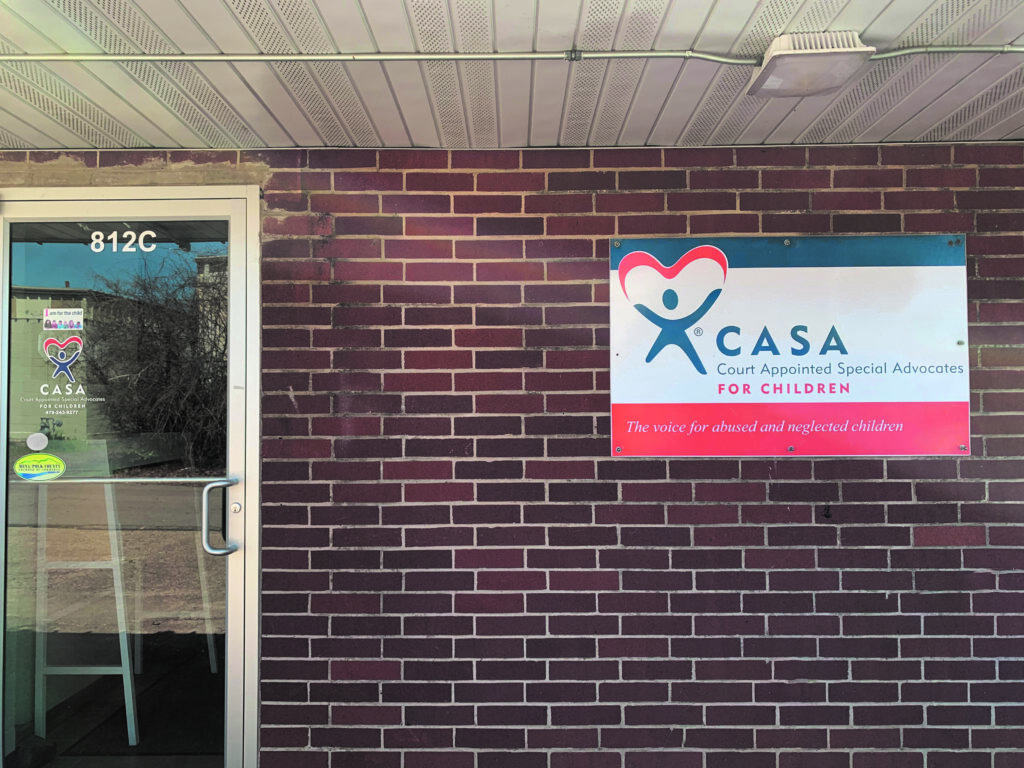
Many times, those children will remain silent, or they attempt to speak up for themselves but may be ignored or not heard. That is where CASA (Court Appointed Special Advocate) steps in. CASA has trained citizens specially appointed by a judge to represent the best interests of an abused or neglected child in court. They become the child’s eyes and ears, advocating and speaking up on a child’s behalf.
CASA of the Ouachita Region’s executive director Cynthia Martin said, “Polk and Montgomery share one judicial district, 18th West. Sevier County is part of the 9th West. The Texarkana program, which is a huge program, covered eight or nine counties. They weren’t able to serve Sevier County because they were spread too thin. Six or seven years ago, I was asked to take over.”
CASA is not part of the Division of Children and Family Services (DCFS), the Department of Human Services (DHS), or any other state or government service agency. They do collaborate with other child-service agencies but have nothing to do with investigations. CASA helps ensure the children don’t fall through the cracks of the foster care system.
DHS has moved away from group homes (orphanages) and temporary shelters. “They want all of these children placed in a more family-like setting if at all possible,” Martin said.
The agency neither removes children from the homes nor makes decisions regarding placements. They do not provide shelter or housing. They are not caregivers, mentors or service providers for the children, but as advocates, they do ensure the children gets what they need
“We get appointed at the probable cause hearing, which is the very first hearing that is held within three days of a child being removed from their home. At that hearing, DHS has to show the judge why the child or children were in danger. At that point, the majority of times, the judge will agree with DHS and officially open a court case. They will also assign a CASA volunteer at that time.”
The local CASA employees include Martin and volunteer coordinator Amanda Baker in the Polk County office. Espe Mosqueda is the volunteer coordinator in the Sevier County office. The remainder are trained volunteers, some who work full time and some who work part time. Once approved, trained and pass the security clearance, volunteers are matched with a case and a child or children.
“We stay with them, no matter where in the state they may be placed. They might get removed from a home here. If there’s no available foster homes or they just struggle and the foster parents asked that they be moved, they may bounce all over the state. They will have one consistent CASA volunteer that visits them no matter where they are to make sure they are doing well, will advocate anything that we feel they need if they’re not doing well. We attend every court hearing, and we write a short report to the judge to let the judge know how we feel the children are doing, as well as the parents.
“We follow up with the parents to make sure they are complying with the case plan. At the end of that year, we will make recommendations based on the best permanency for the child. We can recommend the child can go back home because we feel safe that they can. We can recommend that permanent custody go to a grandparent or another relative. Or, in worst-case scenario, we can recommend termination of parental rights. Once the termination occurs, we remain as an advocate for that child until they get adopted or age out of foster care. We have some children we’ve been advocating for, for years.”
Some of the hurdles that abused or neglected children have to contend with, according to Martin, is a lack of drug rehabs. “A vast majority of our cases deal with substance addiction.”
She also said there is a lack of homeless shelters, available affordable housing for low income and foster homes.
“If the child is placed far away, it makes it so much harder to arrange visits with the parents. The children don’t have stable schooling; they’re away from their friends, which can cause more trauma to the child.”
Baker added, “They may go just for a short amount of time somewhere and then not have the follow up to successfully complete the program. They may start well and mean well, but then there’s nothing to back up.”
To become a foster parent, Martin said parents have two routes: Go through The CALL, the faith-based program, or they can go through DCFS/DHS.
Martin said, “A lot of new foster parents open their home thinking I just need to give them lots of love. Unfortunately, children who have suffered a lot of trauma…it just takes more than that. They can be very difficult to take care of. I feel there’s just a special place in heaven for our foster parents. They go above and beyond.”
Like most non-profit groups, there’s more demand than supply—in this case, more children in need of a foster home or advocate and not enough of either.
“We don’t have enough CASA volunteers. It’s a struggle throughout the state. We’re currently serving fifty-one children. We have fifty-five children right now in the counties we serve that don’t have an advocate.”
Baker said, “It’s important for them to know that we are with them every step of the way, as much or as little as they want.”
Martin said, “We’ll go on home visits with volunteers to visit the parents. We’ll go with them to visit the children. We’re at every hearing and every meeting at DHS. We have some that appreciate and really want to work their case with us, ensuring they’re not missing anything. We’ve got some who go through the training and hit the door running. They’re passionate about it and they don’t need anybody holding their hand.”
They do plan on starting a training soon. If someone is interested in volunteering with the CASA of the Ouachita Region area, contact (479) 243-9277 or CasaOuachita71953@gmail.com/.


More Stories
Polk County Fair Catalog 2026
Driver hit by CPKC locomotive engines
Texas equine herpes outbreaks puts Arkansas, Texas, Oklahoma horse communities on alert